
Lucentism
A practical philosophy of clarity and composure

What is Lucentism?
Modern life moves quickly, and it’s easy to feel scattered, reactive or unsure of what actually matters. Lucentism is a practical philosophy for exactly those moments: a grounded way to think and act with clarity and composure, so you can meet pressure without losing yourself in it.
The name comes from lucent, meaning clear or full of light. At its simplest, Lucentism is about seeing clearly, then responding calmly. It asks you to face reality before illusion, to question the premise behind your reactions, and to protect what matters through steady, deliberate action.
It isn’t a religion or a rulebook, and it isn't shallow self-help. It’s a modern, secular philosophy of clarity, composure and meaningful living: something you can actually use in real life, not just admire from a distance.
To live as a lucentist is to value inward depth over noise, repair over ruin, and truthfulness over easy comfort, while still leaving room for genuine calm and emotional comfort.
Who Lucentism is for
Lucentism is for reflective, practical people who feel the pull of modern life and want something steadier to stand on. You don't need to call yourself a philosopher to use it.
It tends to help most when you are:
Feeling scattered, reactive or stretched thin, and wanting clearer thinking and calmer responses.
Working through change, loss, migration or a personal reset, and looking for grounded footing.
Tired of shallow self-help and guru culture, but still wanting depth without a preachy or academic tone.
Trying to hold steadier boundaries and build more meaningful daily habits.
If you want composure under pressure and a practical philosophy you can actually apply, Lucentism is written for you.
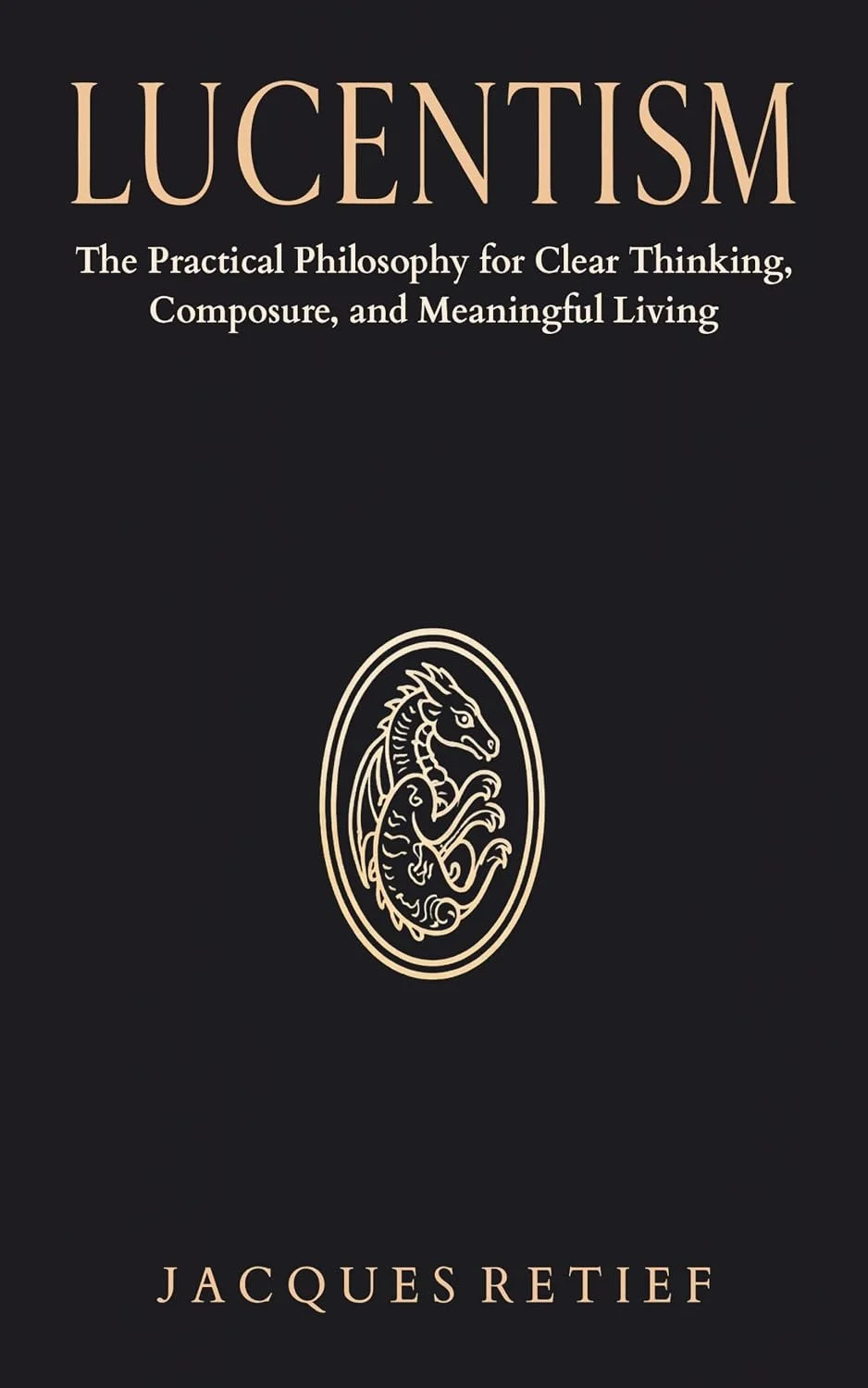
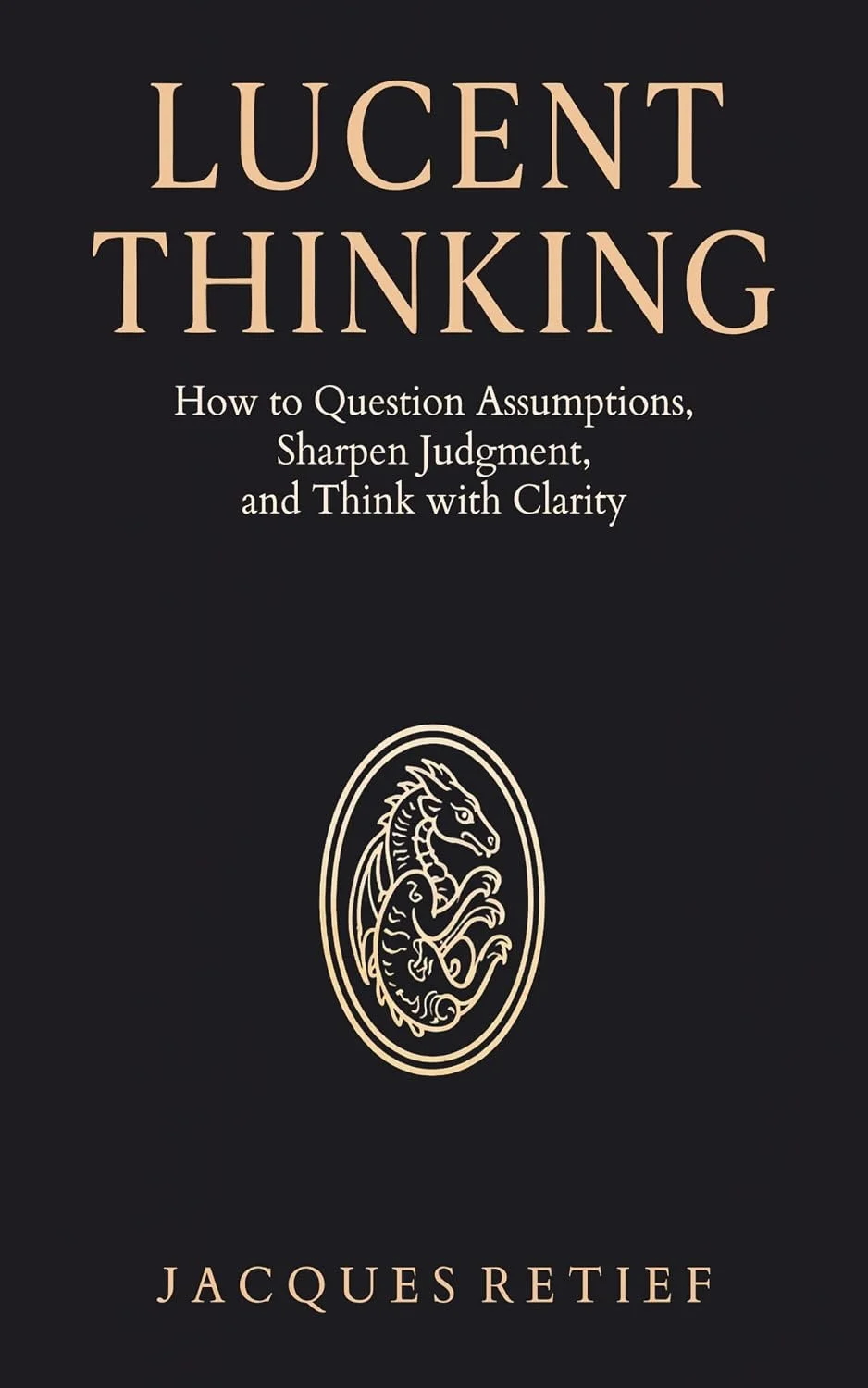

How Lucentism is different
Lucentism shares ground with older traditions, but it’s its own thing.
-
Stoicism trains you to accept what you can’t control. Lucentism agrees that composure matters, but it puts equal weight on repair: not just enduring hardship, but rebuilding after it.
-
Mindfulness helps you notice the present moment. Lucentism adds a next step, asking you to examine the premise behind your reaction and then act with clarity, not only observe.
-
There are no guru promises here and no hype. Lucentism won’t tell you to transform your life overnight. It offers grounded, usable practice instead.
Lucentism is not a religion, a spiritual path or a political movement. It’s a modern, secular philosophy for everyday life: respectful of culture, belief and difference, and open to anyone who wants to think more clearly and live more calmly.
Living Lucentism day to day
Lucentism is meant to be practical, so it comes down to a few simple, repeatable habits. None of them need special training, and you can start with just one.
Name the pressure
Before reacting, say plainly what's actually happening and what you're feeling. Clarity begins with honesty.
Check the premise
Ask what assumption is driving your response. If the premise is shaky, the reaction usually is too.
Lower the temperature
Pause, breathe and slow down before you act, especially in conflict or stress.
Protect what matters
Set one clear boundary that guards your time, energy or relationships this week.
Repair, don’t ruin
When something goes wrong, take the smallest honest step towards rebuilding rather than walking away.
Reflect briefly
End the day with a short, honest review: what did you see clearly, and what will you do differently tomorrow?
How to begin
You don't need to overhaul your life. Choose one practice, use it for a week, and notice what changes.
Reading one of the books, or following the reflections in the newsletter, can help you build from there.
The core principles of Lucentism
At the heart of Lucentism are a few plain commitments. They’re meant to be practised, not just believed.
Reality before illusion
See what’s actually there before deciding how to respond. Clarity starts with honesty about the situation, not the story you wish were true.
Examination of premise
Question the assumption underneath a reaction. Most stress comes from an unchecked premise, so change the premise and the response changes with it.
Composure under pressure
Lower the temperature before you act. Calm is a skill you build, not a mood you wait for.
Boundaries that protect what matters
Decide what deserves your time, energy and attention, then guard it without guilt or drama.
Repair over ruin
When something breaks, choose reconstruction. Beginning again is a strength, not a failure.
Built through truthfulness
A steady life is built through truthfulness with yourself and others, which is where real inward depth and lasting emotional comfort come from.
Together these turn a good idea into a way of living: practical, grounded and quietly demanding.


Who created Lucentism
Lucentism was developed by Jacques Retief, an Australian educator, author and founder of Retief Libris Publishing. It grew out of decades of teaching, leadership and writing, and out of a life lived across Africa, Europe, Asia and the Middle East before settling on Australia's northern coast.
Living and working in very different places challenged Jacques' assumptions and taught him to keep re-examining his premises: to listen carefully, keep an open mind, and adjust how he responds to change. That habit of reflection, tested through real classrooms, leadership roles and personal upheaval, became the groundwork for Lucentism.
The philosophy isn't abstract theory. It is lived in work, shaped by grief, migration, pressure and reset, and written down so others can use it too. It's common sense, backed by experience, and worn lightly.
Frequently asked questions
-
Lucentism is a practical philosophy of clarity, composure and meaningful living. The name comes from lucent, meaning clear or full of light. It focuses on seeing clearly, lowering the temperature, protecting what matters, and beginning again without drama.
-
Lucentism was developed by Jacques Retief, an Australian educator, author and founder of Retief Libris Publishing. It grew out of decades of teaching and leadership, and a life lived across Africa, Europe, Asia and the Middle East.
-
Its core commitments are reality before illusion, examination of premise, composure under pressure, boundaries that protect what matters, repair over ruin, and a life built through truthfulness.
-
Like Stoicism, it values composure, but it puts equal weight on repair and rebuilding. Like mindfulness, it values awareness, but it adds a next step: examine the premise, then act with clarity.
-
No. Lucentism is a modern, secular philosophy for everyday life. It's politically neutral and respectful of culture, belief and difference.
-
Simple, repeatable habits: name the pressure, check the premise, lower the temperature, protect what matters, repair rather than ruin, and reflect briefly at the end of the day.
-
Choose one practice, use it for a week, and notice what changes. The books and the newsletter offer grounded ways to build from there.
-
You can explore the books through Retief Libris Publishing and sign up to the newsletter for reflections and new releases.

Explore Lucentism
Lucentism is a practical philosophy you grow into, one clear step at a time. Read the books for the full picture, or join the newsletter for regular, grounded reflections on clarity, composure and meaningful living.